
If you live in Da Nang long-term, you will need visa runs. A run is easy once you know the rules, and stressful when you skip them. This guide covers the cost, the two routes, and the one mistake that gets people turned away at the border.
The short answer
E-visa fee
US$25 single / US$50 multiple
E-visa validity
Up to 90 days
Processing
3-5 working days
Nearest land border
Lao Bao (Laos)
Lao Bao, one-way
~250 km, 4-6 hrs
Fastest flight out
Bangkok, under 2 hrs
What a Da Nang visa run is
A visa run means leaving Vietnam before your visa or visa-free stamp ends, then coming back on a new one. You cross into a nearby country, get a fresh Vietnam e-visa, and return. People do this because Vietnam does not let tourists extend an e-visa from inside the country, and there is no long-stay nomad visa.
Da Nang is an easy base for it. The airport is about ten minutes from the city, with direct flights to Bangkok and Kuala Lumpur. The nearest land border, Lao Bao, is a long day trip to the west. Most people doing runs here are remote workers, expats, and long-stay travelers who want a few more months in central Vietnam.
Do you still need a visa run?
Settle this first, because Vietnam's rules eased in 2023 to 2025 and a lot of old advice is wrong. For some people the answer is now “less often than you think.” For others it is still “every 90 days, no way around it.”
The 90-day e-visa changed the rhythm
Since August 2023, the Vietnam e-visa allows a stay of up to 90 days. A multiple-entry version lets you come and go within that window. It is fully online, open to every nationality, and costs US$25 for single entry or US$50 for multiple entry. That turned a monthly chore into a quarterly one for most long-stayers. But it did not create a way to renew from inside Vietnam. When the 90 days end, you still leave and come back.
Visa exemptions, check whether you are on the list
About 39 nationalities can enter Vietnam visa-free for a set number of days. A group of European countries, plus Japan and South Korea, get 45 days under a tourism programme that runs for a limited time, so check whether it still applies. Most Southeast Asian neighbours get 30 days. One key point: US, Canadian, and Australian passports are not on the exemption list and need an e-visa, however short the trip.
The part that has not changed
You still cannot extend a tourist e-visa from inside Vietnam, and there is still no digital-nomad visa. The reforms made stays longer and entries easier. They did not remove the need to leave and re-enter to reset your stay. If you plan to be here past your current window, assume a run is still part of the plan.
Who runs, and how often
If your passport is not on the exemption list, or you want to stay past the 90 days an e-visa gives you, you are in run territory. That covers most Western long-stayers. On the 90-day multiple-entry e-visa, a run every three months keeps you legal for as long as you like.
Three or four runs a year is normal and unremarkable. The thing to watch is the pattern. A passport full of back-to-back tourist entries can draw questions from immigration, and in rare cases extra checks on re-entry. If the cycle has become permanent, a longer-term route, a business visa, or a temporary residence card tied to work, removes it. It is worth pricing against a year of runs.
Visa types, compared
Before you plan the trip, be clear on what you are renewing. These are the options a long-stayer in Da Nang chooses between.
| Duration | Entries | Cost | Where you get it | |
|---|---|---|---|---|
| E-visa (single) | Up to 90 days | One | US$25 | Online, official portal, 3-5 working days |
| E-visa (multiple) | Up to 90 days | Unlimited in window | US$50 | Online, official portal, 3-5 working days |
| Exemption (EU group, Japan, Korea) | 45 days | Per entry | Free | Stamped on arrival, listed nationalities |
| Exemption (ASEAN) | 30 days | Per entry | Free | Stamped on arrival |
| Business visa or TRC | 1-10 years | Unlimited | Varies | Needs sponsorship or a work permit |
The government sets these fees and durations, and they change. The figures above were current at the time of writing. Check the current fee on the official portal before you apply.
Option A: the Lao Bao land run to Laos
The overland run from Da Nang goes west to the Lao Bao crossing into Laos, about 250 km, or 4 to 6 hours each way. It is the cheapest option, and the usual choice if you are on a budget and have a full day to spare.
How the day goes
A sleeper or VIP bus is the normal way out, about 4 to 6 hours to the border. You clear Vietnam exit immigration, walk across, and pay for a Laos visa on arrival in cash (about US$40 to US$50, depending on nationality). Then you turn around and re-enter Vietnam on the fresh e-visa you already had approved. Laos also charges a small digital border fee, a fraction of a dollar. The border keeps daytime hours, so leave early. Crossing outside those hours can bring a small extra fee.
Two warnings come up again and again. First, bring cash in small US dollar notes, there are no reliable ATMs at the crossing, and the Laos fee is cash only. Second, a same-day turnaround only works if your new Vietnam e-visa is already approved. You cannot get one at the border.
The mistake that gets people turned away
The Vietnam e-visa is tied to the entry and exit points you choose on the form. It is only valid at those points. For the Lao Bao land run, you must choose Lao Bao as your entry point, not a Da Nang or Hanoi airport, and not a different land gate. Choose wrong, and officers can refuse you on an otherwise valid visa. It is the most common reason a run goes wrong, and most run-service pages skip it.
Option B: the fly-out run
Flying out and back is faster and more predictable, and it tends to draw fewer questions than a repeat land crossing. You pay for that with a higher fare. From Da Nang the practical airports are:
| Flight time | Round trip from | Notes | |
|---|---|---|---|
| Bangkok | ~2 hrs | ~US$90-150 | Most flights; the default fly-out |
| Kuala Lumpur | ~3 hrs | ~US$130 | Direct on budget airlines |
| Vientiane | ~1 hr 20 min | ~US$180 | Closest capital; fewer daily flights |
| Singapore | ~3 hrs | ~US$230 | More expensive; good for a stopover |
A same-day trip out and back is possible with the right flights, but it leaves no room for a delay, and most people who try it find it exhausting. The easier version is one overnight: fly out, sleep in Bangkok, fly back the next day. Door to door that is about a day, not much longer than a hard Lao Bao trip, with a city in between instead of a bus seat.
Fares are seasonal and move a lot with how early you book, so treat these as typical “from” prices, not fixed ones. Book the return flight before you go. Some airlines want proof of onward travel to let you board, even though the e-visa itself does not require it.
Land vs fly: which should you pick?
| Real cost | Time away | What it is like | |
|---|---|---|---|
| Land (Lao Bao) | ~US$85-115 | 10-12 hrs, one hard day | Cheapest; long road hours, cash only, no ATMs at the border |
| Fly (Bangkok) | ~US$150-250+ | Half a day to one overnight | Faster, more predictable, fewer questions; costs more, book ahead |
A simple rule: go by land if you are counting every dong and have a day to spare; fly if your time is worth more than the fare difference. Neither is better. They trade money for hours. Both figures leave out the new Vietnam e-visa (US$25 or US$50), which you pay either way.
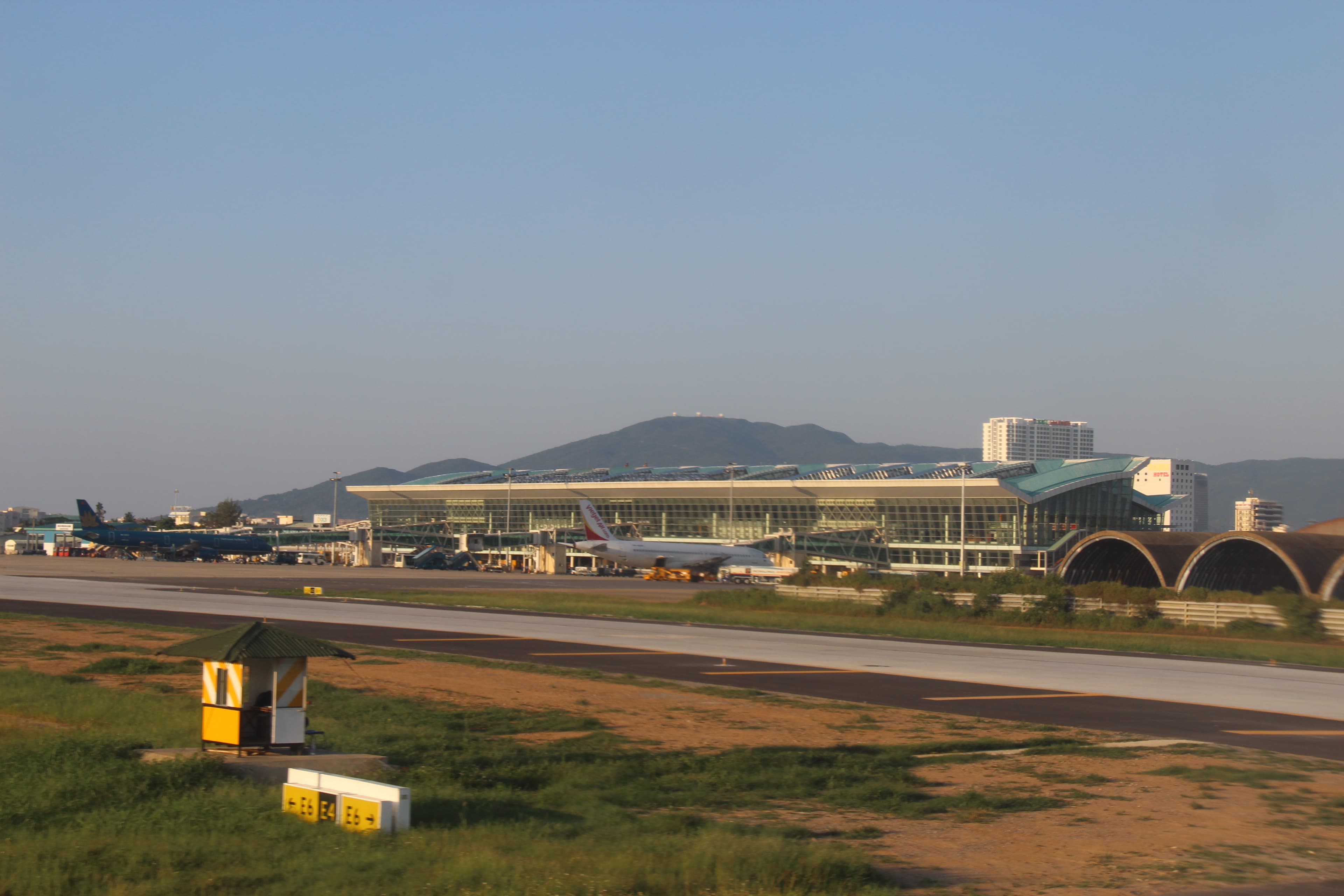
What a Da Nang visa run really costs
Per trip, add up three things: the route, the new e-visa, and the extras. A land run is about US$85 to US$115. A fly-out with one night is about US$150 to US$250 or more. The e-visa is US$25 or US$50. The extras are food, a Grab to the bus station or airport, and a hotel if you fly.
A single land run comes to roughly US$110 to US$165 all in. A fly-out with one night is closer to US$200 to US$350. Over a year, that adds up: four land runs are about US$450 to US$650 plus visas, four fly-outs closer to US$800 to US$1,400 plus visas. Seen that way, the visa fee is small next to travel and lost work days. That is why people who have been here a while treat the run as a short break to plan, not a chore to survive.
The mistakes that cost people
- Applying for the e-visa too late. It takes 3 to 5 working days, and the office skips weekends and holidays. Apply 7 to 14 days ahead, not the night before.
- Choosing the wrong entry point. The e-visa only works at the points you selected; a land run needs Lao Bao, not an airport.
- Cutting the timing fine. Travel 5 to 7 days before your stamp ends, so a delayed flight or slow approval does not tip you into overstay.
- Carrying only large notes. The Laos visa on arrival and small border fees are cash only, in small US dollars.
- Not checking your new entry stamp before you leave the counter. Mistakes are rare but almost impossible to fix later.
- Reusing your passport-page scan as your e-visa photo. A separate, plain-background photo avoids an automatic rejection.
Overstay fines got stricter, do not test them
Vietnam tightened its overstay rules under Decree 282/2025 (in force from late 2025), with more deportation rules under Decree 59/2026. A 1 to 15 day overstay is fined about 500,000 to 2,000,000 VND, and you can usually pay at the airport on the way out. Beyond that it climbs fast, millions of dong for a few weeks, up to tens of millions and forced deportation with a multi-year re-entry ban in serious cases. Even a small fine leaves a record. Give yourself a buffer so you never find out where the brackets start.
What to do with your bags while you are gone
A run takes you out of Vietnam for one to three days and then drops you right back in Da Nang. So there is no reason to check out of your place, drag a suitcase across the Lao Bao border, or pay budget-airline baggage fees to fly your things to Bangkok and back. Travel light for the run, and leave the heavy things behind.
Where your bag goes
Between places, or just traveling light for the run?
Up to 1 week
150,000 VND flat
Up to 1 month
300,000 VND flat
Up to 4 months
1,000,000 VND flat
New to Stow? See how luggage storage in Da Nang works.
If you are weighing a long-stay plan, our storage prices and the what we store and how we keep it safe page cover the details the run-service sites leave out.
Quick checklist before you go
- New e-visa applied for and approved before you leave, with the correct entry point selected
- Passport valid at least 6 months, with 2 or more blank pages
- Land run: cash in small US dollars for the Laos visa on arrival and border fees, no ATMs at the crossing
- Fly-out: return flight booked, in case your airline asks for proof of onward travel
- A timing buffer: travel 5 to 7 days before your stamp ends, not on the last day
- Heavy bags left in storage in Da Nang if they are not coming on the run
Questions people ask
Do I still need a visa run from Da Nang?
Yes, if you want to stay past your current e-visa or visa-free days. Vietnam has no digital-nomad visa, and you cannot extend an e-visa from inside the country. So the only way to stay longer is to leave and come back on a fresh entry. The 90-day e-visa has made runs less frequent than before, about every three months instead of monthly, but it has not removed them.
How much does a visa run from Da Nang cost?
A land trip to the Lao Bao border with Laos costs about US$85 to US$115 all in (bus, the Laos visa on arrival, small border fees, and food). A flight to Bangkok is faster but costs more, usually US$150 to US$250 with a budget return flight and one night. On top of either, budget the new Vietnam e-visa: US$25 for single entry, US$50 for multiple entry.
Can I get the new e-visa at the land border on the day?
No. This is the most common and most expensive mistake. You must apply for the Vietnam e-visa online and wait for approval before you travel. It usually takes 3 to 5 working days, and the office is closed on weekends and public holidays. Apply at least 7 to 10 days ahead, or two weeks to be safe.
Does my e-visa work at the Lao Bao crossing?
Only if you chose it. The Vietnam e-visa is tied to the exact entry and exit points you pick on the form. If you pick the wrong point, or leave it as an airport when you cross by land, border officers can turn you away. For the Lao Bao land run, choose Lao Bao as your entry point.
Is the e-visa single or multiple entry, and what does it cost?
Both exist. Single entry costs US$25 and lets you in once. Multiple entry costs US$50 and lets you leave and return as often as you like within the same 90-day window. If you do runs, multiple entry is usually worth the extra US$25, because one visa covers several trips. Buy either one only on Vietnam's official portal.
What is the closest border for a Da Nang visa run?
Lao Bao, on the border with Laos, about 250 km west of Da Nang. That is roughly 4 to 6 hours each way, so 10 to 12 hours for a same-day round trip. It is the classic overland run from Da Nang and Hue. The crossing keeps daytime hours, so start early.
What happens if I overstay by a day or two?
Under the stricter rules in force since late 2025, a 1 to 15 day overstay is fined about 500,000 to 2,000,000 VND (roughly US$20 to US$80), and you can often pay it at the airport on your way out. Longer overstays cost much more, and past two weeks you risk deportation and a re-entry ban. Any fine also leaves a record. Plan the run before your stamp ends, not after.
How often can I do a visa run before it is a problem?
There is no fixed limit on paid e-visa runs, each one is a new, legal visa. But officers can question travelers with a long line of back-to-back tourist entries, and near-constant runs can draw extra checks. Three or four runs a year is normal. If you run every few weeks for a year or more, look at a longer-term visa instead.
Is it faster to fly or take the bus?
Flying, clearly. Da Nang to Bangkok is under two hours in the air, and you can do it in one long day or a single overnight. The Lao Bao bus is a 10 to 12 hour road day. Flying also tends to draw fewer questions at passport control. The land run only wins on price: land is cheaper, air is faster.
Do I need to carry all my luggage on the run?
No, and you should not. A run takes you out of Vietnam for one to three days and then brings you straight back to Da Nang. There is no reason to check out of your place or drag a large suitcase across a border or onto a budget flight. Most long-stayers travel light and leave their heavy bags in storage in the city.
Sources
- 1.Vietnam Immigration Department: official e-visa portal (evisa.gov.vn) · the primary source for e-visa validity (up to 90 days, single or multiple entry), the official application domains, and current fees
- 2.myvietnamvisa.com: e-visa fee and visa-exemption pages · the US$25 and US$50 fees, the full visa-exemption country list, and the 45-day exemption window
- 3.Vietcetera: Vietnam tightens overstay fines and deportation rules · the Decree 282/2025 fine brackets and the Decree 59/2026 deportation rules
- 4.Vietnam News: new decree on penalties for foreign overstays · state-media confirmation of the fine amounts
- 5.danangvisarun.com: 2026 visa-run cost breakdown · Da Nang-specific land-run costs, the Lao Bao distance and timing, and the Laos fees
- 6.The Digital Nomad Asia: Vietnam and the missing nomad visa · why there is no nomad visa and why long-stayers rely on the 90-day e-visa plus runs
- 7.Shipped Away: Vietnam e-visa guide · the port-specific rule: your entry and exit points must match what you chose on the form
The Vietnamese government sets visa fees, exemption lists, and overstay fines, and they change. Enforcement can also vary by nationality and situation. This guide reflects the rules at the time of writing and is not legal advice. Always confirm the current requirements on Vietnam's official e-visa portal before you travel.